

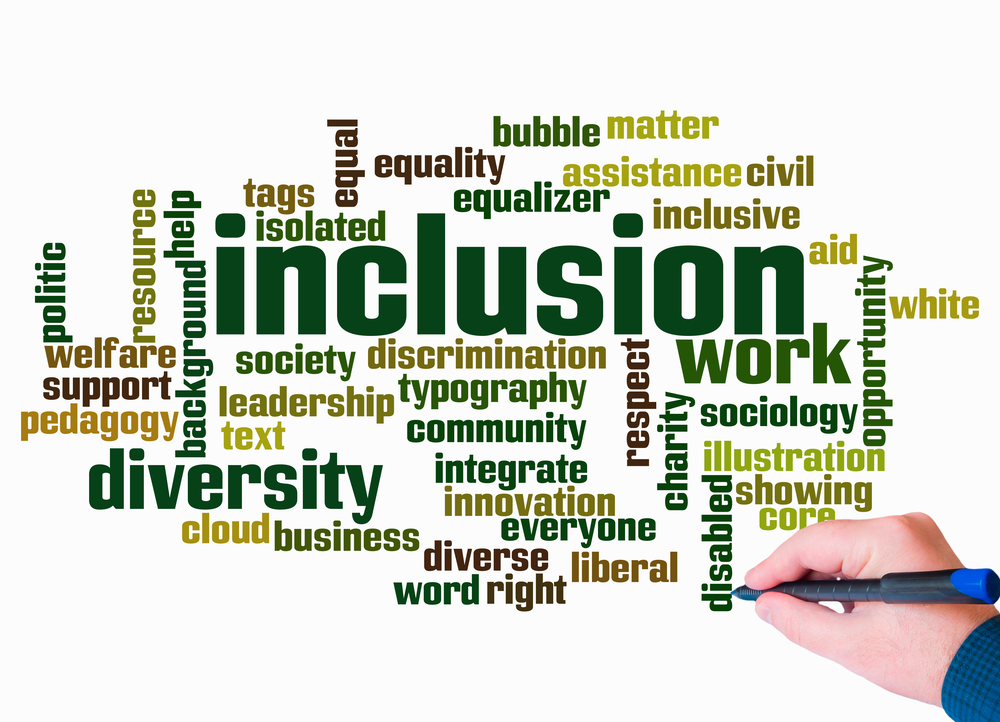
Language Inclusion Policy for Exams
The Ministry of Education has rolled out a Language Inclusion Policy to offer all national level entrance exams like JEE, NEET, and CUET in all 22 official languages recognized by the Constitution of India. The policy aims to promote linguistic equity and increase accessibility for students from diverse linguistic backgrounds, particularly those in rural and regional areas. Until now, many competitive exams were held only in English and Hindi, marginalizing millions of non Hindi speaking students. From the 2026 academic year, exams will be available in languages such as Tamil, Bengali, Marathi, Telugu, Assamese, and Kannada, among others. Translators, regional exam centers, and language specific question banks are being developed in coordination with state education boards and linguistic experts. This move aligns with NEP 2020’s focus on mother tongue instruction and inclusion. The National Testing Agency (NTA) is working on AI tools to ensure uniform difficulty levels across translations. The policy has been widely welcomed by educators and regional leaders as a long overdue step toward educational fairness. However, concerns remain about logistics, question paper integrity, and evaluation consistency. The initiative represents a new era where language is no longer a barrier but a bridge to opportunity.


 Loneliness, legends & lightning laps
  Severe Thunderstorms Disrupt Life Across Northeast India
  US federal officers deploy tear gas during CA farm immigration raid protests
  Humidity Surge Grips Southern Cities, Sparks Health Warnings
  Asia warming twice global avg